Skip to main content
Data-driven companies: when being good enough is no longer sufficient
November 1, 2020Data-driven companies outperform their competitors. Yet despite increasing investments in data and AI each year, companies still struggle to fully reap the benefits. 9 out of 10 firms point to cultural challenges — not technological ones — as the bottleneck. Organisational alignment, change management, people's skill sets, and resistance to change slow down the process.
Three practical recommendations
Pick the low-hanging fruit first: focus on clearly identified high-impact problems with a critical business need. This builds value, credibility, and momentum. At Arinti, we use Data Audits and AI Project Canvases to uncover viable AI cases with interesting ROI.
Let data flow freely through the organisation — it shouldn't be tucked away in a dark corner. And practice patience: becoming data-driven doesn't happen overnight. Don't abandon efforts when results aren't immediately impactful.
Mindset comes first
At Arinti, we see first-hand that data science projects often require a cultural shift. The experimental nature of data science calls for agility and flexibility. It doesn't matter how big a company is or how long it's been around — mindset is the determining factor in whether a data science project will succeed. And not every experiment will succeed: there are always several ways of approaching a problem. We find the best solution and are not afraid to fail in the process.
Explore more
Getting value from large datasets in a short amount of time
We performed a one-week data analysis for NMBS (Belgian railways) on datasets with millions of rows. Here are our tips for investigating large datasets when time is of the essence.

A pragmatic approach to identifying AI business cases
At Arinti, we use a structured data audit methodology to identify AI-powered business cases. Four steps, three deliverables, and a roadmap to get your AI journey started.

Redefining data management for organisations with Microsoft Fabric
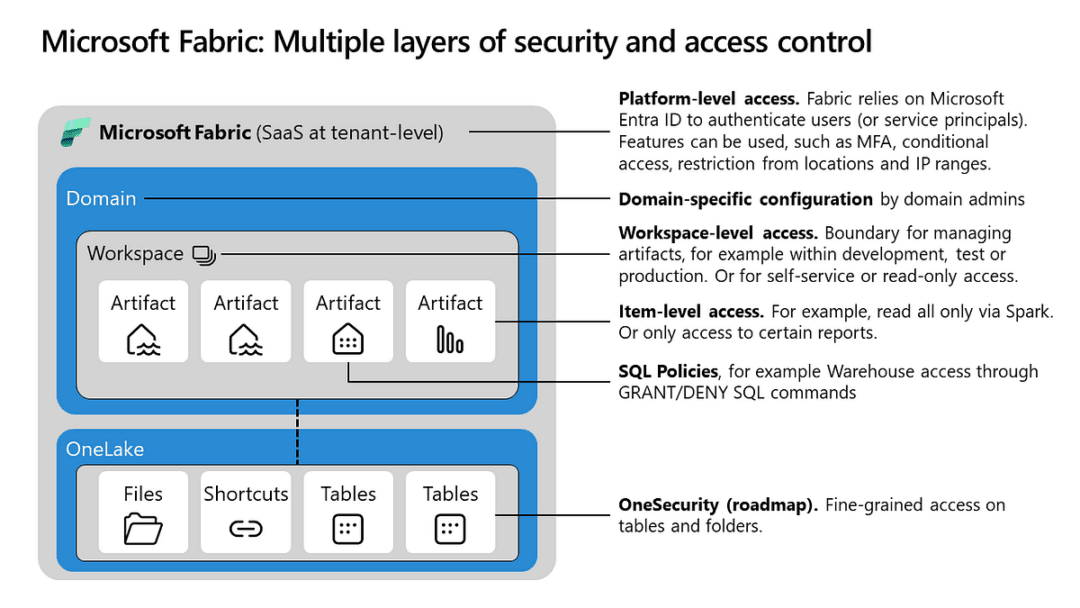
Microsoft Fabric unifies diverse data management tools into a cohesive SaaS platform. This article explores its architecture and how they empower organisations to optimise data operations.
Related Cases
Governed Databricks data platform for global operations
Volvo Logistics distributes over 700,000 spare parts worldwide. We built a governed Databricks data platform that unified operational data from six global sites, delivering up to 40% efficiency gains, 99% reduction in pipeline latency, and self-service analytics for business users.

A hybrid governance model for data and AI at scale
Mercedes-Benz operates a Customer Assistance Center serving 40+ markets worldwide. We defined a pragmatic data & AI strategy, aligning governance, ownership, and technical architecture for scaling on Databricks and Azure within a SAFe environment.