Skip to main content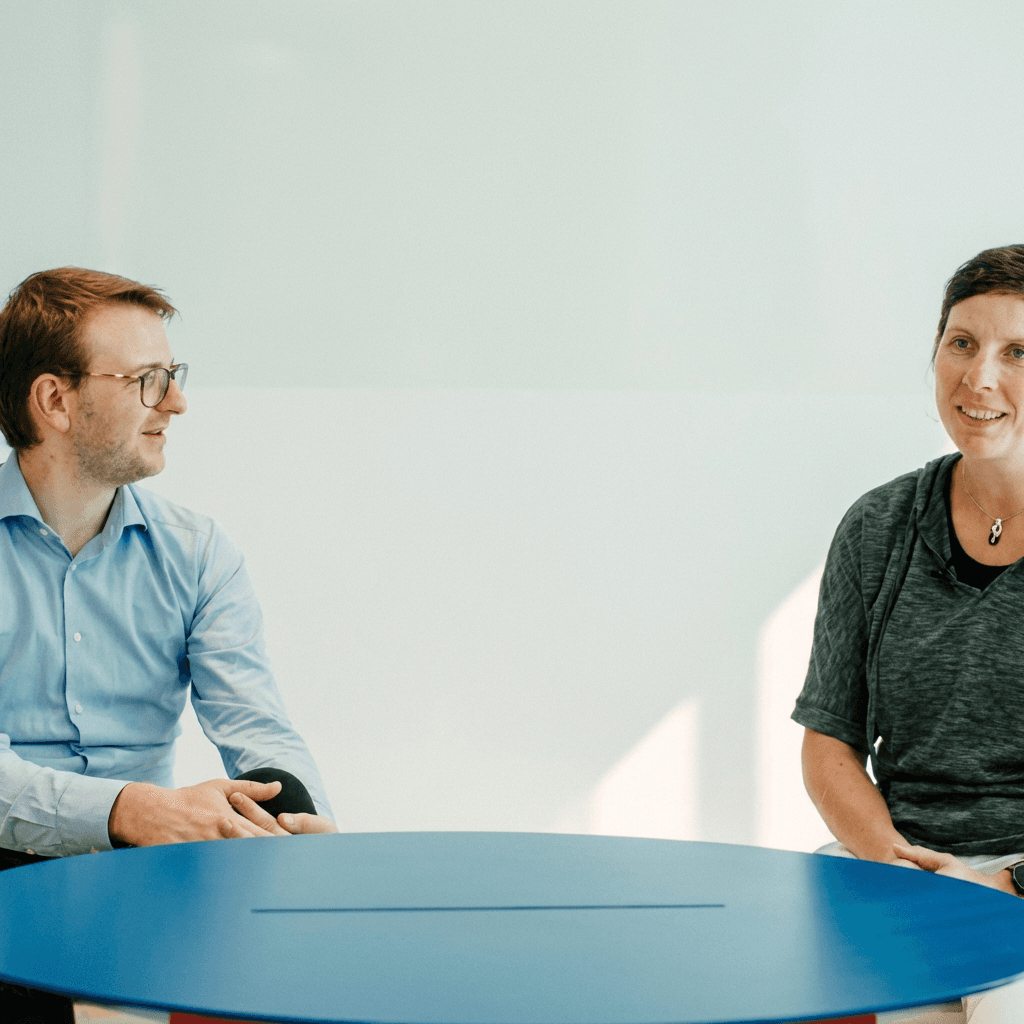
Interview with Microsoft on it's three-pillar sustainability strategy
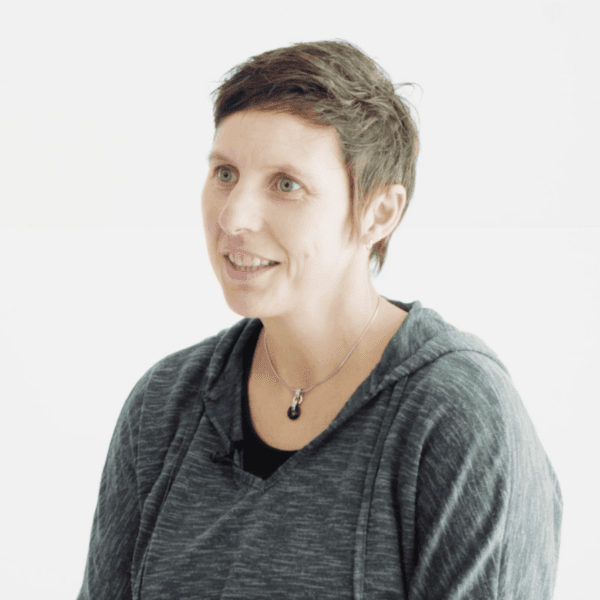
March 1, 2023Microsoft introduced an internal carbon tax in 2009 and pledged to reverse all historic carbon emissions by 2050. We spoke with Myriam Broeders, CTO and responsible for sustainability strategy at Microsoft Belgium & Luxembourg, and Mathias Vergauwen, Technical Architect in the Microsoft Technology Center in Brussels.
Microsoft's sustainability policy rests on three pillars: Sustainable by design, Sustainable platform, and Sustainable collaborations.
Sustainable by design
Microsoft's new Belgian Azure region data centres consume only 12 percent on top of the actual server's power draw — a radical efficiency improvement compared to traditional data centres. The buildings use modular steel construction for long-life span with minor alterations, and servers are repurposed, refurbished, or properly recycled rather than shredded.
On the software side, Microsoft is heavily involved in the Green Software Foundation, pushing towards sustainable software development.
Cloud for Sustainability
Microsoft's Sustainability Manager SaaS product enables businesses to collect emission data in one place, map it across countries and departments, and generate reports and dashboards. Currently focused on greenhouse gas emissions, it will soon incorporate water use and waste management data.
As Myriam notes: getting started is often the hardest part. Most sustainability journeys start with Excel files and high-level benchmarks. Even partial data is a valid starting point.
Sustainable collaborations
Microsoft runs the AI For Good project and the Entrepreneurship for Positive Impact program for start-ups with positive societal impact. Belgian examples include BeeoDiversity (biomonitoring with bees) and Ayes (AI-powered accessibility for blind people).
Microsoft's internal carbon price stands at 15 dollars per ton CO2, with higher rates for easily avoidable emissions like air travel (over 100 dollars per ton).
Explore more
Interview with BekaertDeslee on circularity challenges and the role of digital tools
In the second instalment of our sustainability series, we spoke with Charles Christiaens, sustainability manager at BekaertDeslee, about circularity challenges in textile manufacturing, CSRD preparation, and the role of digital tools.
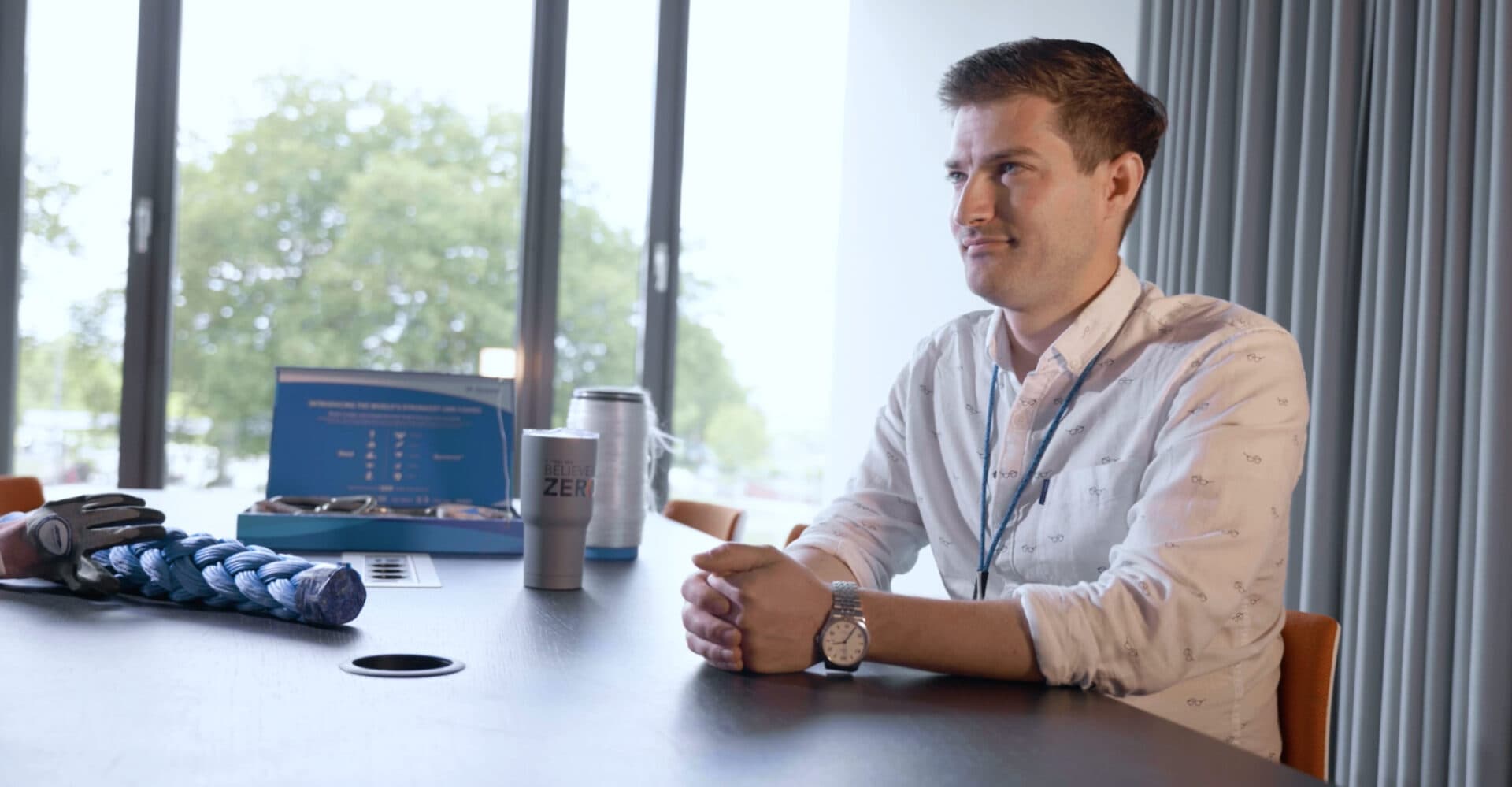
Interview with Dyneema - Growing towards a sustainable, circular industry model
In the first instalment of our sustainability series, we spoke with Keith Rowsey, sustainability manager at Avient Protective Materials (Dyneema), about building circular value chains, reverse logistics, and scope 3 emissions.
Azure Machine Learning – The Responsible Road
Exploring responsible machine learning through Microsoft's framework: understanding, protecting, and controlling AI systems.