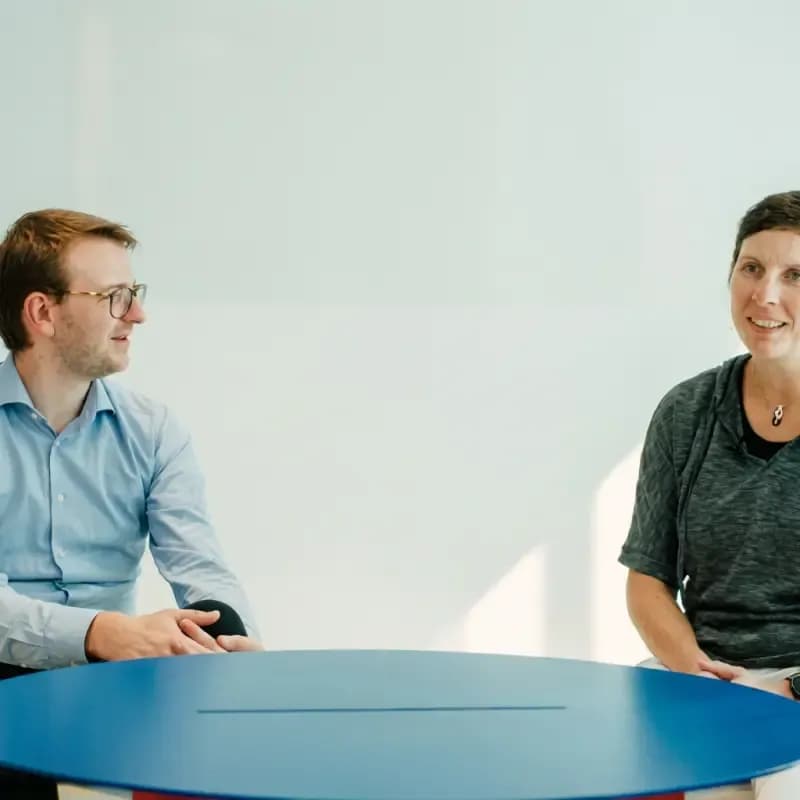
Avient produces extremely strong Ultra High Molecular Weight polyethylene (UHMWPE) fibres, branded as Dyneema. Used in industrial roping, ballistic protection, and consumer products. We spoke with Keith Rowsey, sustainability manager, about the challenges and intricacies of sustainability in manufacturing.
Avient set ambitious 2030 goals: all Dyneema products made of at least 60% bio-based or recycled feedstock. Their production sites in Heerlen (NL) and Greenville (NC, USA) already run on 100% purchased renewable electricity. They also helped launch CirculariTeam, an industry coalition for building circular value chains.
Reverse logistics and recycling
For every market segment, rope, ballistics, consumer protection, Avient works on two major steps: getting products back and finding the technical solution to recycle them. In the rope industry, they're discussing collection points at major ports. But products are often processed, dyed, and combined with other materials, so the recycling solutions need to accommodate this. As Keith notes: the shorter the recycling loop, the better.
Data and traceability
Longer use and repurposing are where the biggest gains lie. Avient designed DM20, a fibre with less creep that lasts 25+ years for offshore wind farms. But enabling circular business models requires extensive data and traceability: how many lifts has a rope been used for? When was it produced? What materials are inside? RFID-chipping products for end-of-life identification is one of the approaches being explored.
Longer use and repurposing are where the biggest gains lie.
Scope 3 emissions progress
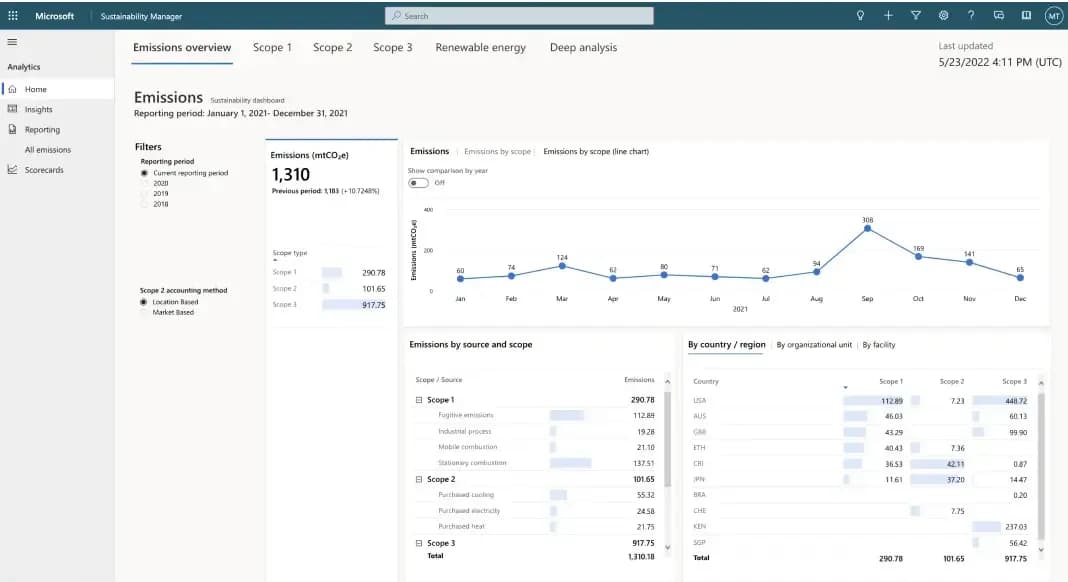
For industrial companies, roughly 75-80% of total emissions are scope 3. Three years ago, if you asked someone about their carbon footprint, they often didn't know or were unwilling to share. Now it's a given for doing business. Still, gathering and aggregating all that information into a correct calculation remains a major effort. Keith's biggest wish: standardised terminology so everyone understands what kind of data they're actually dealing with.