Skip to main content
Automating parcel label extraction
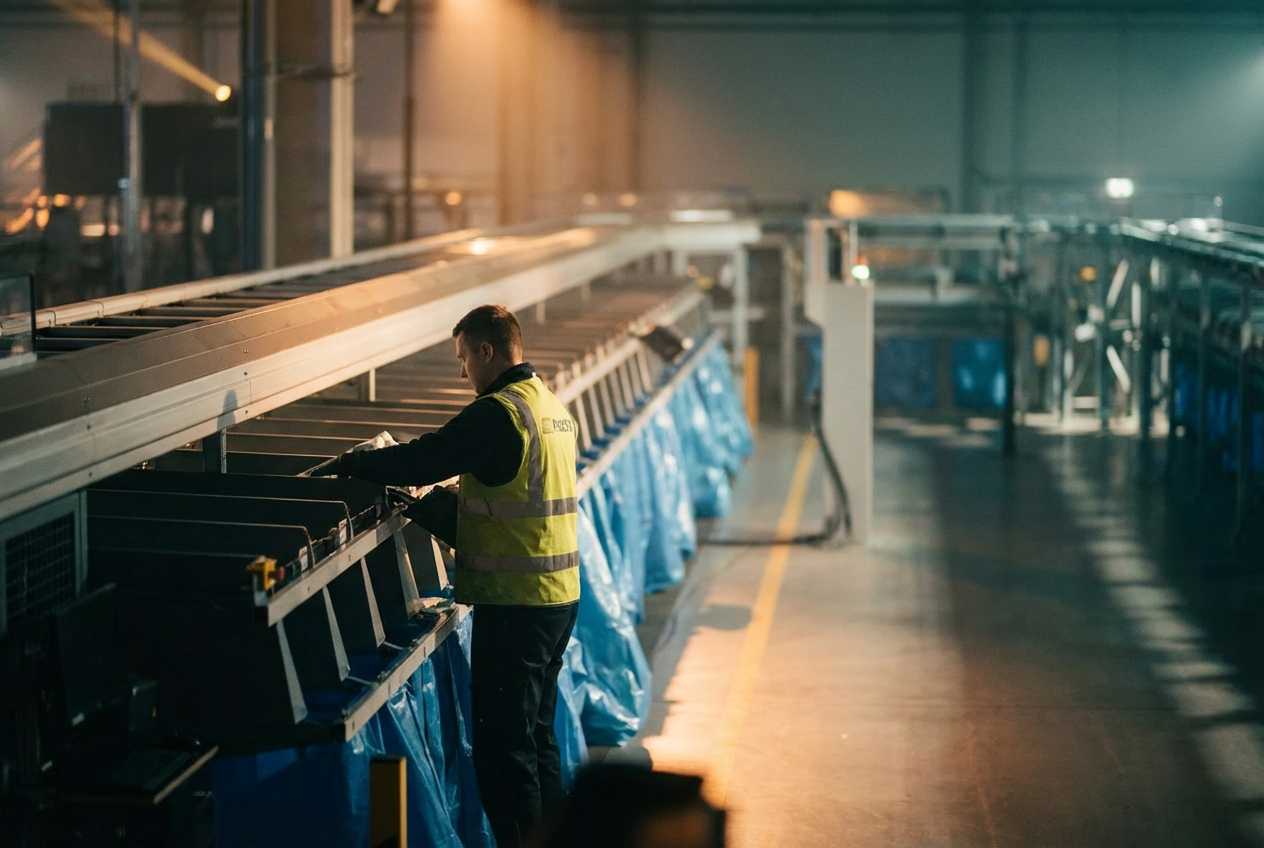
Every day, Latvian Post processes tens of thousands of parcels. The vast majority arrive with complete label data. But a meaningful share do not — and those parcels cannot move through the automated system until someone fills in what is missing. For years, that someone was a team of 20 people, working through an unrelenting queue of incomplete shipments, reading labels by hand and keying data into the management system one parcel at a time.
A queue that never emptied
Latvian Post is the national postal operator of Latvia, handling parcel volumes that scale with e-commerce demand across the Baltic region. The organisation had already shown appetite for innovation, and was among the first European postal services to trial delivery robots. Its internal data processing, however, had not kept pace.
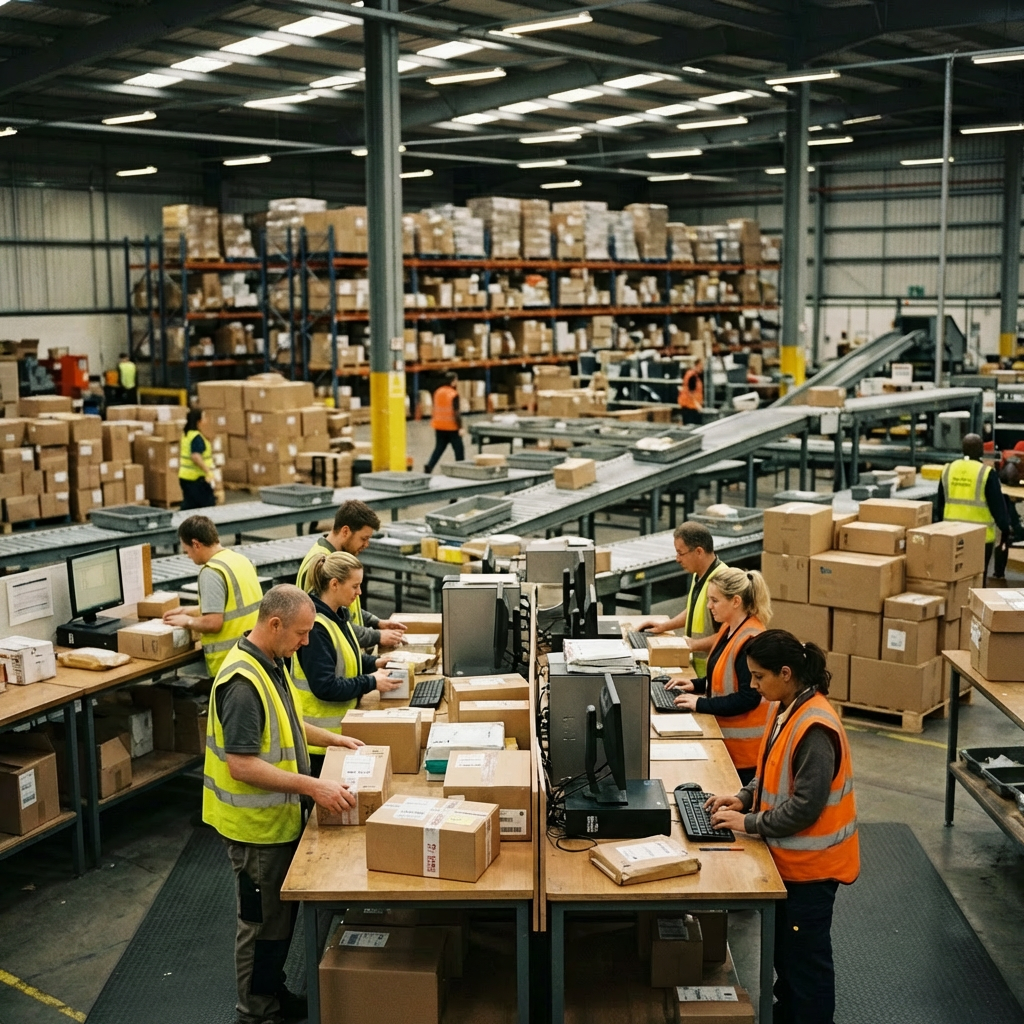
Parcels with incomplete sender or recipient data were routed to a manual review queue. There, a dedicated team of 20 full-time employees inspected each package, identified missing fields, and entered the data by hand before the parcel could continue through the system. At scale, this queue never emptied.
The engagement came through Future Hub, a Scandinavian accelerator running its second wave of the Open Innovation Sustainability programme. The brief was to find a technical solution to a sustainability challenge that the host organisations faced in daily operations. Latvian Post's manual data entry problem was exactly the kind of high-volume, repeatable burden that automation could address.

“To carefully extract missing data from the parcels we process, we currently employ a team of 20 full-time employees, who definitely have better things to do.”
Precise, at production speed
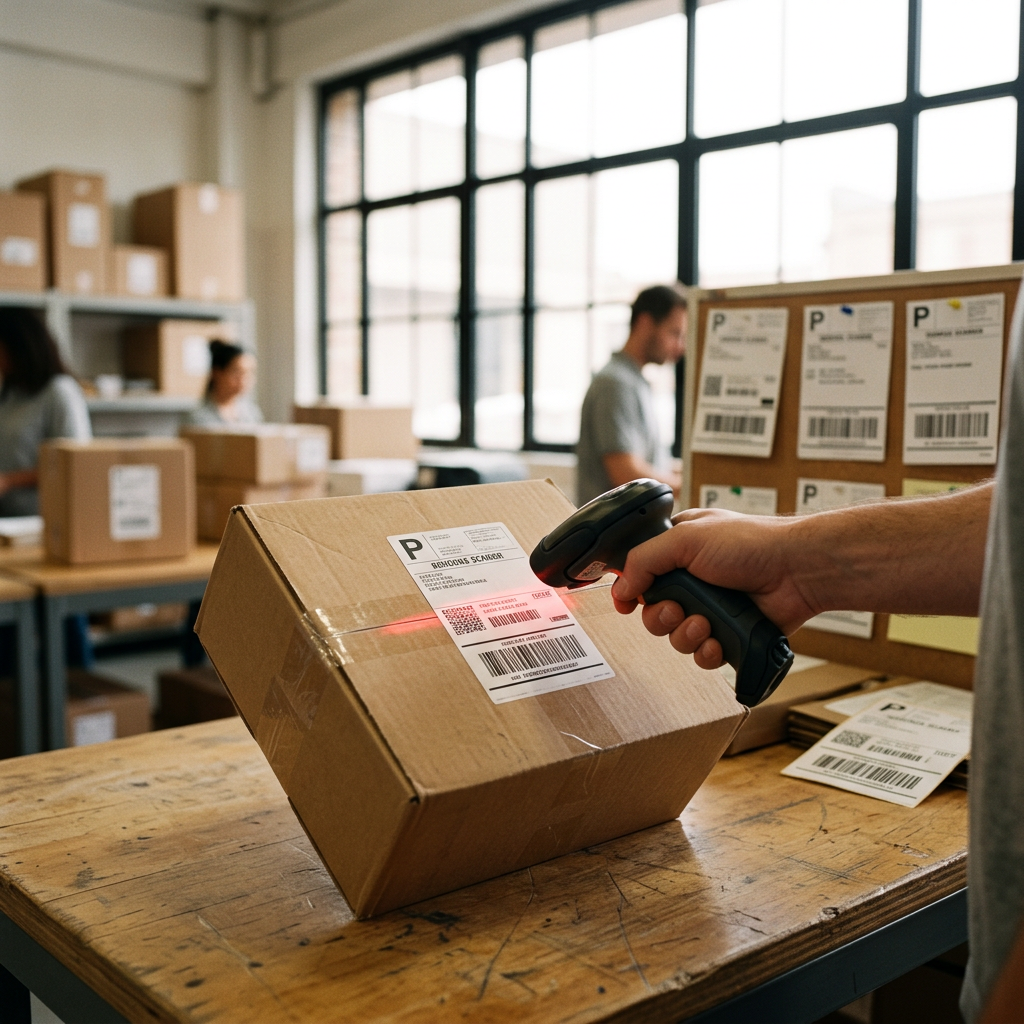
The goal was precise. Use image processing on the parcels themselves to extract missing data automatically, validate what was already in the system, and route each package into a managed review cycle so the algorithm either got it right or learned from its mistakes. Automatically, at production speed, inside the existing workflow.
Speed mattered as much as accuracy. A proof-of-concept that worked cleanly in a lab but stalled under real volume would be of no value. The solution had to handle the natural variation in label formats, fonts, and print quality that characterises real-world parcel data, and hold its performance at scale.
The whole programme, from first handshake to demo day, lasted ten weeks.
Azure Form Recognizer, trained on real data
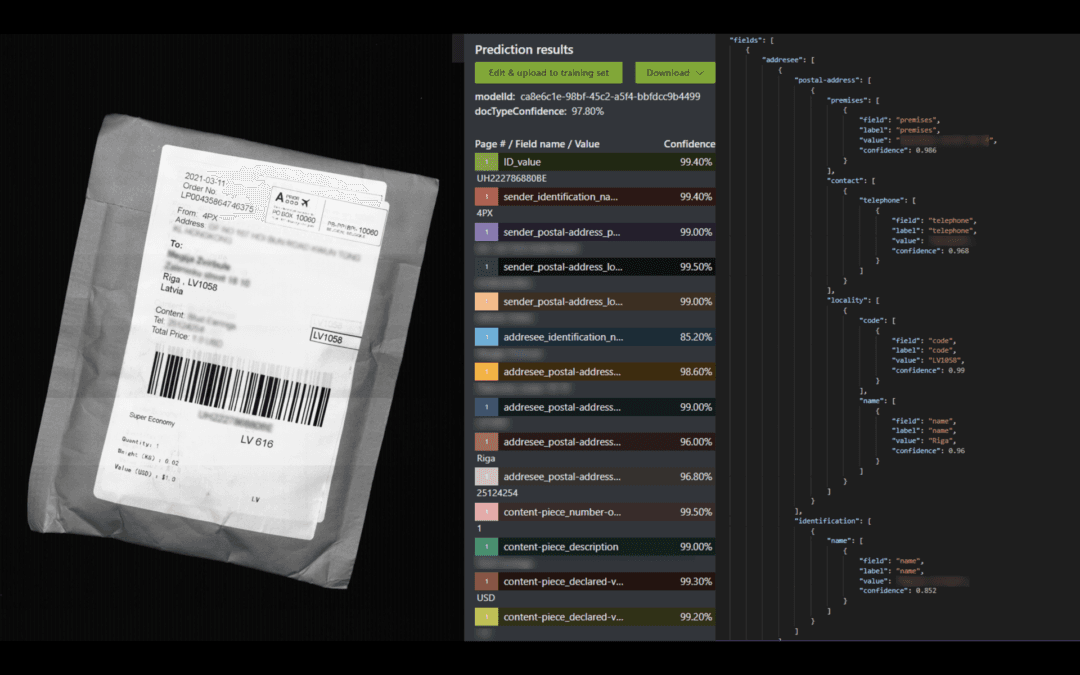
As a Microsoft Partner, we know what Azure can do — in this case, Azure Form Recognizer. It's a building block that already extracts millions of data points from images every year, which made it the right starting point for the problem at hand. We got to retraining the model straight away, and built the API alongside it. Sending images in and getting clean, labelled data back was as much of a challenge as the data extraction itself.
This was the kind of work our data scientists and data engineers do best, and we had a testable solution within weeks. That gave Latvian Post room to send us more image data, and gave us the time to push the recognition speed down to 10 seconds on average. Almost eight times faster than the same task done manually.
We only hit that speed by running on Azure Cloud, where Microsoft's GDPR commitments gave us the compliance footing we needed.
Results at demo day
Time freed, data quality improved
With more than 85% of parcels processed automatically, the team previously assigned to manual data entry could be redirected to higher-value work.
The roadmap at close of the engagement included deeper integration into Latvian Post's approval workflows, a threshold-based automatic release for high-confidence extractions, migration to an on-premise deployment, and a planned handover to the internal IT team to own and extend the system.